
Business, Leadership
3 Steps to Becoming a Selfless Leader
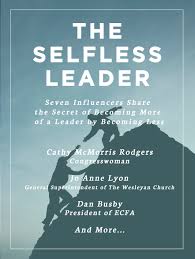
I was privileged to contribute a chapter to the book The Selfless Leader, available at no cost here. Rather than focus on my own contribution, I would rather point you to the insightful words of the editor, Scott Rodin of the Steward’s Journey, who offers a powerful way to define selfless leadership.
Rodin explains that perhaps the best way to define selfless leadership is by contrasting it with its opposite. He asks whether the opposite of a selfless leader might be a “self-more” leader — someone whose leadership is centered on personal recognition, status, or self-interest.
“Could we say that the converse of a self-less leader is a self-more leader? Put another way, does becoming a selfless leader require us to set aside our desires to want more of our self as the focus of our leadership?”
Becoming Selfless Starts with Awareness
According to Rodin, the first step in becoming selfless is recognizing our own self-focused tendencies. Selfless leaders are willing to examine where pride, control, or personal ambition may have shaped their leadership style.
“The first step to becoming a self-less leader is to acknowledge our self-more tendencies. And further, to identify the places in our current leadership style where they have taken root.”
This kind of reflection is essential for anyone seeking to grow in selfless leadership. Leaders who focus only on personal achievement often lose sight of the people and purpose they are meant to serve.
Selfless Leadership Requires a Stewardship Mindset
Another key principle of selfless leadership is embracing stewardship. Rather than acting like owners of people, positions, or organizations, selfless leaders recognize that leadership is a responsibility entrusted to them.
“The second step, I would suggest, is embracing a steward’s view of our leadership role. The alternative is to lead as if we owned our position, our organization, our people and our strategies.”
Rodin points out that owner-minded leaders often become self-more leaders because they connect their personal value and identity to career success. In contrast, selfless leaders focus on serving others, building trust, and creating long-term impact.
Who Is Leading the Leader?
One of the most powerful insights about becoming selfless comes from Rodin’s statement:
“Great leadership is not about who you are leading, but who is leading you.”
True selfless leadership requires leaders to place something greater than themselves at the center of their lives and decisions. For many selfless leaders, that means cultivating a deeper relationship with God and allowing faith, humility, and service to shape their leadership approach.
By removing themselves from the center, selfless leaders create space to lead with integrity, wisdom, and compassion.
Why Selfless Leaders Matter Today
We live in a culture that often rewards self-promotion, status, and individual success. That is why becoming selfless can feel countercultural, especially in positions of influence and authority.
“We are surrounded by self-more leaders… In our culture, it is very difficult to be self-less in positions of leadership, influence and authority. Yet that is our calling and highest privilege.”
Organizations, communities, and teams benefit greatly from selfless leadership. Selfless leaders inspire trust, encourage collaboration, and help others grow rather than simply advancing themselves.
Ultimately, to define selfless leadership is to understand that leadership is not about elevating self — it is about serving others with humility, purpose, and stewardship.
If you want to learn more about how to best lead your team, or are interested in ongoing business and leadership skill-development, consider joining a Convene Peer Advisory Group.
About the Author

Mark L. Vincent (PhD, CCNL) is the Director of the Convene Consulting Network. He is also the Founder of Design Group International, an organizational development company providing wise guidance for enterprise, nonprofits, and ministry organizations. His passion is to love leaders as they claim their life vocation as stewards of enterprise.